
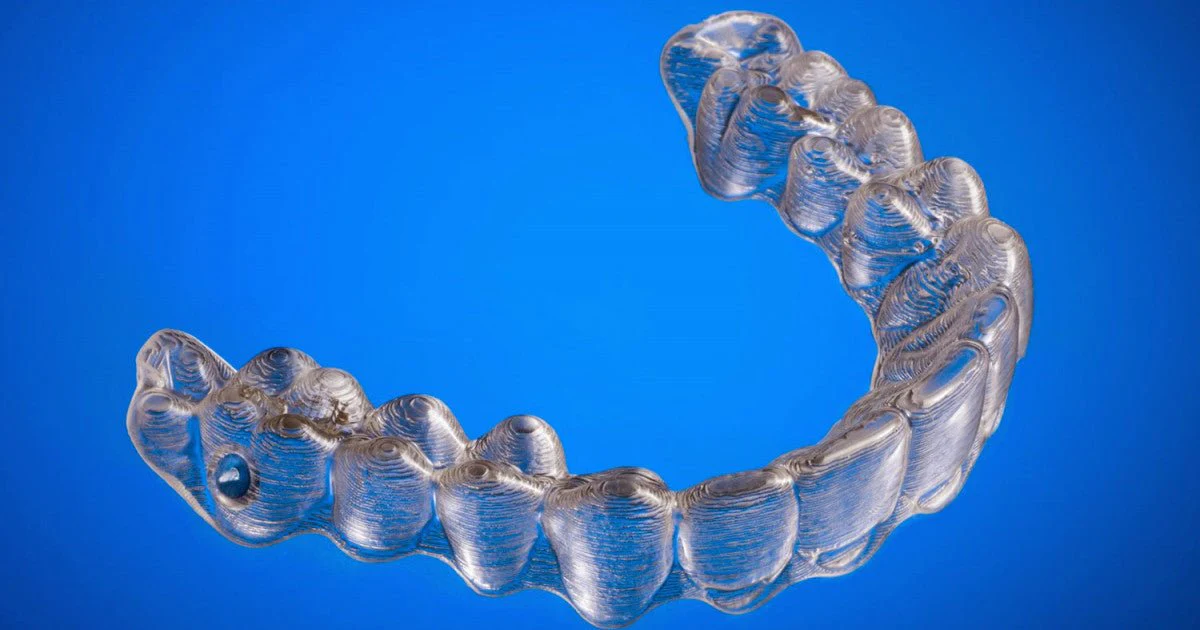

Invisalign has become a popular choice for straightening teeth due to its convenience and nearly invisible appearance. Many people are curious why it costs more than traditional braces. The price is influenced by several factors, including the complexity of the dental case, the specialized materials used to create custom aligners, the experience and expertise of the orthodontist, and the geographic location of the dental clinic, which is why patients researching options such as Invisalign la mesa may notice differences in pricing between providers. All of these elements together affect the total treatment cost.
Understanding the Cost Range
In the United States, Invisalign treatment generally ranges from $3,000 to $9,000, with most patients spending between $4,000 and $6,500 based on the complexity of their case. Mild alignment issues usually cost less, whereas more complicated treatments needing additional aligners reach the higher end of the price spectrum. Several factors impact the total cost, including treatment duration, the number of aligners required, geographic location, and the expertise of the orthodontic provider.
- Case complexity and number of aligners needed
- Geographic location of the orthodontic clinic
- Duration of treatment and required office visits
- Insurance coverage, which may reduce out-of-pocket expenses
Factors Affecting Invisalign Pricing
Treatment Complexity
Severe misalignment or bite issues require more aligners, increasing costs. Mild crowding typically needs fewer aligners, reducing expenses.
Provider Experience and Reputation
Experienced orthodontists often charge higher fees due to superior skills and efficient treatment techniques. Their expertise can reduce adjustments and shorten treatment time. Less experienced providers may be cheaper but could struggle with complex cases.
Geographic Location
Urban areas often have higher Invisalign prices due to increased overhead costs such as rent and staffing. Rural areas tend to be more affordable, although travel to a specialized clinic may increase overall costs.
Technology and Materials
Invisalign uses advanced 3D printing technology and SmartTrack thermoplastic material to create customized aligners. Digital scans, quality control, and durable materials all contribute to higher treatment costs.
Insurance Coverage
Dental insurance plans may cover 25% to 50% of Invisalign, though coverage varies. Some policies categorize Invisalign as cosmetic, limiting payments unless medically necessary. Understanding your plan’s lifetime and annual maximums can help you manage costs effectively.
Benefits of Invisalign
- Clear aligners provide nearly invisible treatment
- Removable aligner trays make it easy to eat without restrictions and maintain proper oral hygiene.
- Shorter treatment time, usually 12-18 months
- Gentle pressure reduces discomfort compared to braces
- Fewer office visits, typically every 6-8 weeks
Frequently Asked Questions
- Treatment Duration: 12-18 months; wear aligners 20-22 hours daily
- Eating Restrictions: None; remove aligners during meals
- Alternative Aligners: Options like Byte, Candid, and SmileDirectClub are cheaper but better suited for mild to moderate cases
- Insurance Impact: Coverage varies; dental insurance may help lower out-of-pocket expenses
- Daily Wear Requirement: Consistent 20-22 hour wear ensures proper tooth movement and effective treatment