
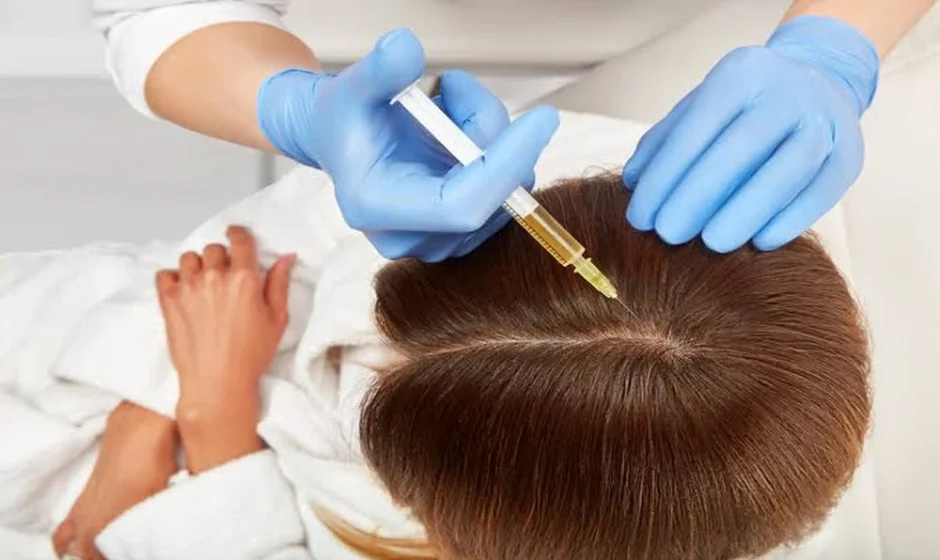

If you have started researching PRP hair treatment in Chandigarh, you have probably noticed that almost every skin and hair clinic in the city now offers it. That is not necessarily a bad thing, but it does mean the quality, technique, and results can vary a lot depending on where you go. PRP is a procedure that depends heavily on how it is prepared and administered, so choosing the right clinic matters just as much as choosing the treatment itself.
This guide walks you through exactly what to look for before you book a session, so you can avoid wasted time and money on a clinic that is not set up to do it properly.
What Is PRP Hair Therapy and Why Technique Matters
Platelet-rich plasma, or PRP, therapy involves drawing a small amount of your own blood, processing it to concentrate the platelets, and injecting that concentrate into your scalp. The platelets release growth factors that can help stimulate hair follicles, which is why it is commonly used as a hair loss treatment in Chandigarh for early to moderate thinning.
The tricky part is that PRP is not a single standardized procedure. The way blood is processed, the concentration of platelets achieved, the injection technique, and the number of sessions all affect how well it works. Two clinics offering the same treatment name can produce very different results, which is exactly why the clinic you choose deserves real scrutiny.
What to Check Before Booking a PRP Session
1. Who Is Actually Performing the Procedure
PRP involves blood draws and injections into the scalp, which makes this a medical procedure, not a cosmetic add on. Confirm that a qualified doctor, not just a technician, is overseeing the process from blood draw to injection. This is one of the clearest signs of a clinic that takes the procedure seriously.
2. How the Clinic Processes the Blood Sample
Ask about the equipment used to separate and concentrate the platelets. A proper centrifuge process, done correctly, results in a higher quality concentrate. If a clinic cannot clearly explain their process, that is worth noting.
3. Whether They Assess the Cause of Your Hair Loss First
PRP works best for certain types of hair thinning, particularly early pattern hair loss, and is not a fix for every cause of hair fall. A good clinic will examine your scalp, ask about your history, and sometimes recommend blood tests before confirming that PRP is the right approach for you, rather than offering it to every patient by default.
4. How Many Sessions They Recommend and Why
PRP typically requires multiple sessions spaced a few weeks apart, followed by maintenance sessions over time. Be cautious of any clinic promising dramatic results from a single session, since that is not how the treatment realistically works.
5. Hygiene and Safety Standards
Since this procedure involves your blood and injections, hygiene standards are non-negotiable. Sterile equipment, single-use needles, and a clean treatment environment should be a given, not something you have to ask twice about.
6. Honest Communication About Expectations
A trustworthy clinic will tell you clearly what PRP can and cannot do for your specific hair loss pattern, rather than promising guaranteed regrowth. Realistic expectations set early on save you disappointment later.
Finding the Best Hair Clinic in Chandigarh for Your Needs
Once you have checked the basics above, it helps to narrow things down further based on your specific situation. If your hair loss is more advanced, ask whether the clinic offers complementary treatments alongside PRP, since combining approaches often works better than relying on PRP alone. If you are early in noticing thinning, ask how soon you should start treatment, since PRP tends to work best when follicles are not yet completely dormant.
The best hair clinic in Chandigarh for you is ultimately one where a qualified doctor takes the time to understand your specific pattern of hair loss before recommending a plan, rather than treating PRP as a one-size-fits-all solution.
Why the Right Dermatologist Makes the Difference
Since PRP sits at the intersection of a cosmetic procedure and a medical one, having a genuinely qualified best dermatologist in Chandigarh overseeing your treatment matters more than the clinic’s marketing or ambiance. Dr. Sukhsagar Ratol brings a medical background in dermatology and anti-ageing medicine to every PRP consultation at Ageology, ensuring the procedure is tailored to your scalp and hair loss pattern rather than applied as a standard protocol.
Getting Started
Choosing a clinic for PRP does not have to be complicated once you know what to check. Focus on who performs the procedure, how the blood is processed, whether your specific hair loss is properly assessed, and how honestly the clinic sets expectations. These factors matter far more than which clinic has the most polished marketing.
Frequently Asked Questions
How many PRP sessions are usually needed to see results?
Most people need three to four initial sessions spaced a few weeks apart, followed by periodic maintenance sessions to sustain results.
Is PRP painful?
Most patients describe mild discomfort during the scalp injections, which is generally well tolerated and brief. Numbing options are often available if needed.
How soon will I see results from PRP therapy?
Visible improvement usually takes a few months, since hair growth is a gradual process. Early signs like reduced shedding often appear before new growth becomes noticeable.
Is PRP suitable for all types of hair loss?
PRP works best for early to moderate pattern hair loss. It is less effective for advanced baldness or hair loss caused by certain medical conditions, which is why a proper assessment matters.
Are there any side effects of PRP hair therapy?
Since it uses your own blood, allergic reactions are rare. Mild scalp tenderness, redness, or swelling at the injection sites can occur briefly after the procedure.
Can PRP be combined with other hair loss treatments?
Yes, PRP is often combined with topical treatments or other procedures for better results, depending on the cause and extent of your hair loss.