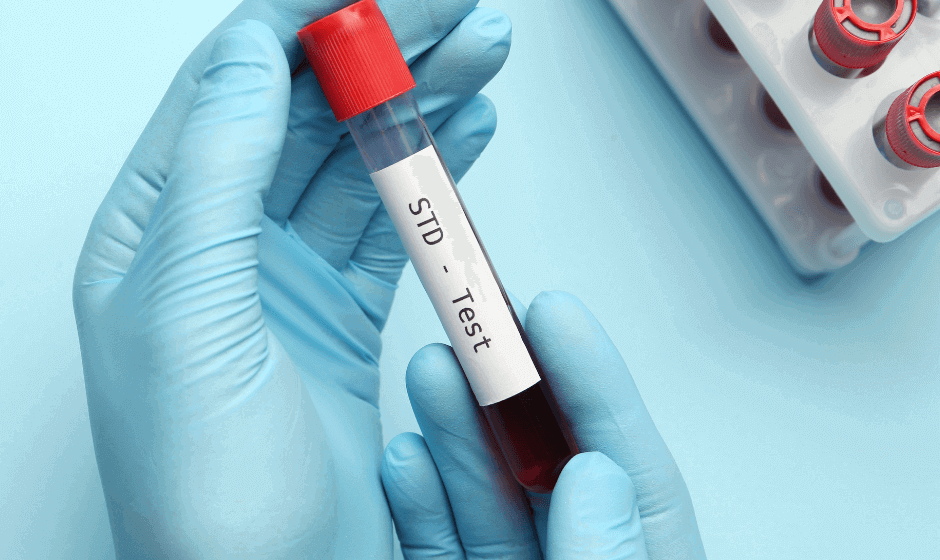

Sexually transmitted infections (STIs) can cause no obvious symptoms. Testing can identify an infection, guide treatment, and reduce transmission. The type of STD test you need depends on the infection being checked, your symptoms, sexual exposure, and timing. The goal is matching testing with your individual situation.
1. Urine Tests
Urine testing is commonly used for bacterial infections such as chlamydia and gonorrhea. A urine sample can be analyzed using laboratory methods that detect genetic material from the infection. After oral or anal sex, throat or rectal testing may also be recommended.
2. Swab Tests
Swab testing collects a sample from an area where an infection may be present. A healthcare professional may collect a swab from the vagina, cervix, urethra, throat, rectum, or a visible sore. Swabs can test for infections such as chlamydia and gonorrhea. Samples from sores may help identify certain infections.
3. Blood Tests
Blood tests are commonly used for infections such as HIV and syphilis and may also be used for certain types of viral hepatitis. Different blood tests look for different markers. For example, HIV tests may detect antibodies, antigens, or the virus itself.
STD tests have different window periods, meaning testing too soon after exposure may produce a negative result even when infection is present. Follow-up testing may be recommended depending on the test and timing.
4. Herpes Tests
Herpes testing has specific considerations. When a person has a fresh genital or oral sore, a healthcare professional may collect a sample from the lesion for laboratory testing. Routine herpes blood screening is not recommended for everyone without symptoms. A clinician can determine whether testing is appropriate based on symptoms and risk factors.
5. HPV Testing
Human papillomavirus (HPV) testing is generally associated with cervical cancer screening rather than a general STI panel. Screening may involve an HPV test, a Pap test, or both. An HPV test looks for high-risk HPV types associated with cervical cancer. It does not function as a general test for every STI, and cervical screening does not automatically check for infections such as chlamydia or gonorrhea.
6. Syphilis Tests
Syphilis is usually evaluated with blood tests that detect antibodies associated with the infection. Healthcare professionals may use different blood tests together to determine whether infection is present and whether further evaluation is needed.
7. HIV Tests
HIV testing can involve an antibody test, an antigen/antibody test, or a nucleic acid test (NAT). Antigen/antibody laboratory tests generally detect HIV earlier than antibody-only tests, while NATs can detect infection earlier still. The appropriate test depends on how recently exposure occurred. If testing takes place during the window period, repeat testing may be needed.
Why the Right Test Matters
There is no single test that checks for every STI. A complete sexual health assessment may involve several samples or testing methods depending on symptoms, exposure, and individual risk factors.
Tell your healthcare provider about recent partners, types of sexual contact, previous infections, and possible exposure dates. If you are concerned about a recent exposure, seek medical advice rather than waiting for symptoms.
Understanding Your Results
A negative result can be reassuring, but its meaning depends on the infection tested, the test used, and when testing occurred. Testing during a window period may require repeat testing. Many bacterial STIs are treatable, and effective treatments are available for several viral infections. Follow your healthcare provider’s instructions and ask whether partners should also be tested or treated.
Conclusion
Choosing the right STD test matters. Urine and swab tests can identify several bacterial infections, while blood tests are commonly used for HIV and syphilis. HPV and herpes testing have their own specific considerations.
If you are unsure which STD test you need, speak confidentially with a healthcare professional. Testing based on your symptoms, exposure, and individual risk factors can provide clearer answers and help you receive appropriate care with the right STD test.