
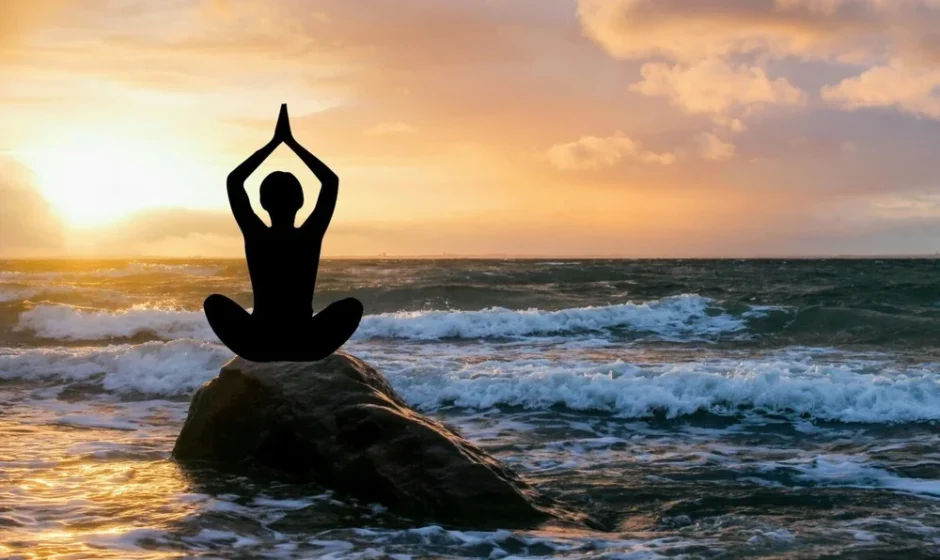

Daily responsibilities can leave the mind feeling busy and the body tense. Work, screen time, long commutes, and irregular routines can make it difficult to slow down. While relaxation does not always require a long break, simple breathing practices can provide a useful way to pause and reconnect with the present moment.
Yoga has traditionally included breathing practices as part of its broader approach to physical and mental well-being. These techniques can be practiced for a few minutes and may fit easily into a morning routine, work break, or evening wind-down.
What Are Yoga Breathing Techniques?
Yoga breathing techniques involve intentionally changing or observing the way you breathe. Some practices focus on slow breathing, while others involve alternating nostrils, controlled pauses, or a specific breathing rhythm.
The basic idea is to bring more awareness to the breath rather than allowing it to remain automatic.
Beginners can start with simple practices such as:
- Breathing slowly through the nose
- Paying attention to each inhalation and exhalation
- Making the exhalation slightly longer than the inhalation
- Practicing for a few minutes at a comfortable pace
- Sitting in a relaxed position while breathing
The technique should feel comfortable. There is no need to force the breath or hold it for longer than feels natural.
Why Breathing Can Be Useful for Relaxation
Breathing is closely connected to physical activity and emotional states. When people are stressed or excited, their breathing may become faster or shallower. Bringing conscious attention to the breath can provide a simple way to pause before responding to a stressful situation.
A breathing practice can also create a clear transition between activities.
For example, you could spend three minutes breathing slowly before:
- Starting work
- Attending an important meeting
- Continuing after a busy commute
- Eating a meal
- Going to bed
- Returning to a task after a break
The practice does not have to be lengthy to become part of a daily routine.
How Yoga Breathing Fits Into Everyday Life
One advantage of breathing exercises is that they require very little equipment. A quiet corner and a comfortable sitting position may be enough.
However, consistency is often more useful than duration. Practicing for five minutes every day can be easier to maintain than attempting a long session once a week.
You can connect breathing practice to an existing habit. For example, practice after brushing your teeth in the morning or before switching off your lights at night.
Simple yoga breathing Practices for Beginners
There are several ways to incorporate yoga breathing into a daily relaxation routine. Beginners should start with simple, comfortable techniques instead of trying advanced practices immediately.
1. Slow Natural Breathing
Sit comfortably and notice your normal breathing. Gradually slow it down without forcing each breath.
Pay attention to:
- The movement of your abdomen
- The sensation of air entering and leaving your nose
- The length of each breath
- The feeling of your body becoming still
Continue for two to five minutes.
2. Longer Exhalation
Take a comfortable breath in and allow the exhalation to be slightly longer. Do not strain or hold your breath.
For example, you might inhale gently for a count of four and exhale for a count of five or six, provided this feels comfortable.
The exact numbers are not important. Comfort and consistency matter more.
3. Alternate Nostril Breathing
Alternate nostril breathing is a traditional yoga practice involving controlled breathing through one nostril at a time.
It can require more coordination than basic slow breathing, so beginners may want to learn the technique from a qualified yoga instructor. Avoid forcing the breath or using prolonged breath retention without appropriate guidance.
Breathing During a Busy Workday
A short breathing break can be useful when your day contains several demanding tasks. Instead of immediately moving from one activity to another, take a few minutes to sit comfortably and observe your breathing.
Try this simple sequence:
- Put your phone aside.
- Relax your shoulders.
- Take a comfortable breath in.
- Exhale slowly.
- Repeat for several cycles.
- Return to your task when you feel ready.
This creates a small gap between activities without requiring a long meditation session.
Combining Breathing With Gentle Yoga
Breathing practices can also be combined with gentle physical movement. Simple stretches or comfortable yoga poses can help create a more structured relaxation routine.
For example, you could spend:
- Two minutes settling into a comfortable position
- Five minutes doing gentle stretches
- Five minutes focusing on your breath
- Two minutes sitting quietly
The routine can be adjusted according to your available time.
Deep breathing for Everyday Relaxation
Deep breathing can be included in short relaxation breaks when practiced comfortably. Rather than taking exaggerated breaths, focus on allowing the breath to become slower and more natural.
A simple approach is to sit with your back comfortably supported and take a gentle breath through your nose. Allow your abdomen to move naturally as you inhale, then slowly release the breath.
Repeat this for several cycles.
If you feel dizzy, uncomfortable, or short of breath, return to normal breathing and stop the exercise. People with certain respiratory or cardiovascular conditions may also want to ask a healthcare professional before beginning new breathing exercises.
Common Mistakes to Avoid
Breathing exercises are simple, but beginners can sometimes make them unnecessarily difficult.
Forcing the Breath
Taking very large breaths or trying to breathe as slowly as possible can create discomfort. Keep the breathing gentle.
Holding Your Breath for Too Long
Breath retention is not necessary for basic relaxation. Avoid pushing yourself to hold your breath longer.
Practicing Only When Stressed
Breathing exercises can become easier to use when they are already familiar. Consider practicing at calm times as well.
Expecting Immediate Results
Relaxation practices can feel different from one day to another. Give yourself time to develop a comfortable routine rather than expecting the same experience every time.
Building a Simple Daily Routine
You can divide breathing practice throughout the day rather than completing one long session.
Morning: Spend a few minutes observing your natural breath before beginning the day’s activities.
Afternoon: Take a short breathing break between demanding tasks.
Evening: Practice slower breathing while reducing screen time and other stimulation.
Before bed: Use a gentle breathing routine if it feels comfortable and helps you transition toward rest.
The key is to make the routine realistic enough to continue.
Final Thoughts
Yoga breathing techniques can be a simple addition to an everyday relaxation routine. They require little space or equipment and can be practiced for just a few minutes at a time.
Start with comfortable, uncomplicated breathing rather than attempting advanced techniques. With regular practice, mindful breathing can become a useful pause during busy parts of the day.
FAQs
1. What is the easiest yoga breathing technique for beginners?
Simply observing and gradually slowing your natural breathing is a good place to start. Keep the breath comfortable and avoid forcing it.
2. How long should I practice breathing exercises?
Beginners can start with two to five minutes and gradually adjust the duration according to their comfort and routine.
3. Can I practice yoga breathing at work?
Yes. Simple breathing exercises can usually be done while sitting at your desk or during a short break.
4. Should I hold my breath during yoga breathing exercises?
Not necessarily. Basic relaxation exercises can be practiced without breath retention. More advanced techniques are better learned with appropriate guidance.
5. Can breathing exercises replace medical treatment?
No. Breathing exercises may be used as a relaxation practice but should not replace professional medical care or prescribed treatment.