
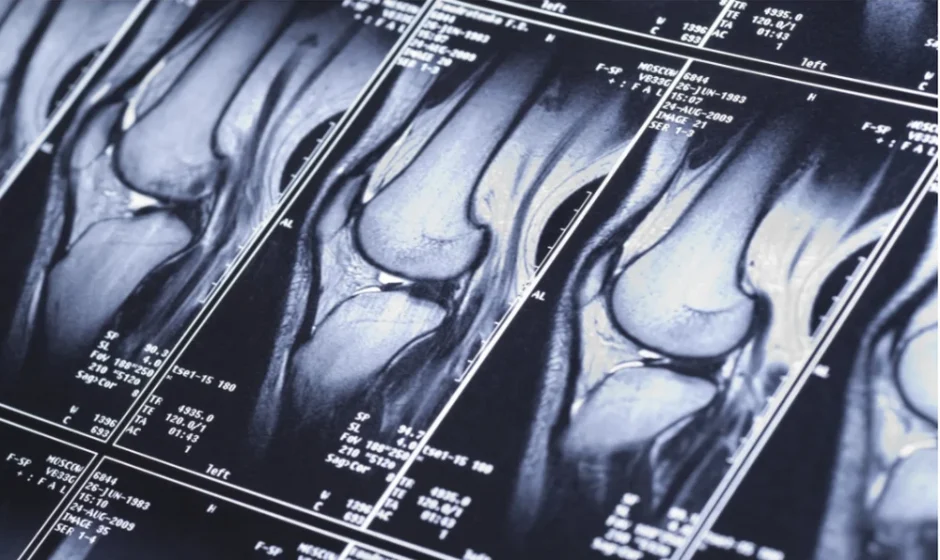

When someone is injured in an accident, medical imaging often becomes central to proving the extent of the harm. Personal injury attorneys frequently rely on MRI results to substantiate claims, but not all MRI scans capture the same level of detail, and the type of scan used can meaningfully affect a case.
A well-documented claim with clear imaging tends to move through negotiation and litigation far more smoothly than one resting on subjective complaints alone.
Understanding how MRI technology works, what it can and cannot show, and where gaps sometimes appear in standard imaging helps attorneys build stronger cases and anticipate challenges from opposing counsel before they surface in discovery or at deposition.
Why Imaging Evidence Matters in Personal Injury Claims
Objective medical evidence carries significant weight in personal injury litigation, often more than a client’s own description of pain or limited mobility. Insurance companies and defense attorneys frequently scrutinize whether a claimed injury is supported by diagnostic imaging, since subjective complaints alone are easier to dispute.
An open upright MRI in Deerfield, Illinois gives attorneys access to imaging that captures the spine and joints under natural, weight-bearing conditions, which can reveal problems that only appear when a patient is standing or sitting rather than lying flat. This distinction becomes especially important in cases where a client’s pain is real but a standard scan fails to show clear structural cause, leaving the claim vulnerable to challenge.
Limitations of Standard Supine MRI for Injury Documentation
Traditional MRI scanners image patients lying flat on their back, a position that does not always reflect how an injury actually behaves in daily life. Spinal instability, disc bulges, and certain ligament injuries can shift or partially resolve once gravity and muscle tension are removed from the equation. This means a client experiencing genuine, disabling pain may still receive a supine MRI report that reads as largely normal.
For attorneys, this gap between reported symptoms and imaging findings is one of the most common points defense counsel will target, arguing the injury is exaggerated or unrelated to the incident in question. Without imaging that matches the client’s actual complaints, even a well-documented medical history can struggle to carry a claim through negotiation.
How Positional and Weight-Bearing MRI Adds Diagnostic Value
Upright and multi-position MRI technology scans patients while standing, sitting, bending, or in the position that reproduces their pain, rather than only lying down. This approach can reveal instability, nerve compression, or disc movement that a supine scan misses entirely, because the spine and joints are being imaged under the same load they experience in real life.
For personal injury cases, this kind of imaging can provide the missing link between a client’s reported symptoms and objective, defensible medical evidence, strengthening the case in negotiations or at trial.
Common Injury Types Where MRI Findings Influence Case Outcomes
Certain injury categories benefit especially from detailed or positional imaging. Whiplash and cervical spine injuries from car accidents often involve ligament damage that is difficult to see on a standard scan but becomes more visible under load. Traumatic brain injuries may require specific imaging protocols to detect subtle white matter changes.
Cranio-cervical instability, a less commonly discussed but increasingly recognized injury following trauma, typically requires upright imaging to diagnose at all. Knowing which injuries are more likely to be missed by conventional imaging helps attorneys decide when to request additional or alternative scans for a client.
Shoulder and knee injuries from slip-and-fall or workplace incidents can show similar gaps, since a joint scanned at rest sometimes looks markedly different from the same joint under the load that triggers the client’s actual pain.
What Attorneys Should Look for When Requesting an MRI
When ordering imaging for a client, attorneys should consider whether the facility offers positional or weight-bearing MRI options, particularly in cases where a prior supine scan came back inconclusive despite persistent symptoms. It also helps to confirm that a facility works directly with attorney liens, since this can reduce upfront cost barriers for clients who are already dealing with medical bills and lost income.
Requesting a radiologist report that clearly explains findings in language that translates well to a claim file, rather than dense clinical shorthand, also makes the resulting documentation more useful during negotiations. Turnaround time matters too, since a facility that can schedule quickly and deliver a report within days rather than weeks helps keep a case moving toward resolution.
Conclusion
MRI evidence often plays a decisive role in how a personal injury claim is evaluated, but the type of scan used can determine whether that evidence actually supports a client’s reported symptoms. Standard supine imaging sometimes misses injuries that only reveal themselves under natural positioning, which can leave a legitimate claim looking weaker than it should on paper.
Attorneys who understand this distinction are better equipped to request the right imaging at the right point in a case. For cases involving unclear or inconclusive prior imaging, exploring medical-legal MRI services for attorneys can help close the gap between what a client is experiencing and what the record actually shows.
━━━ PART 2