
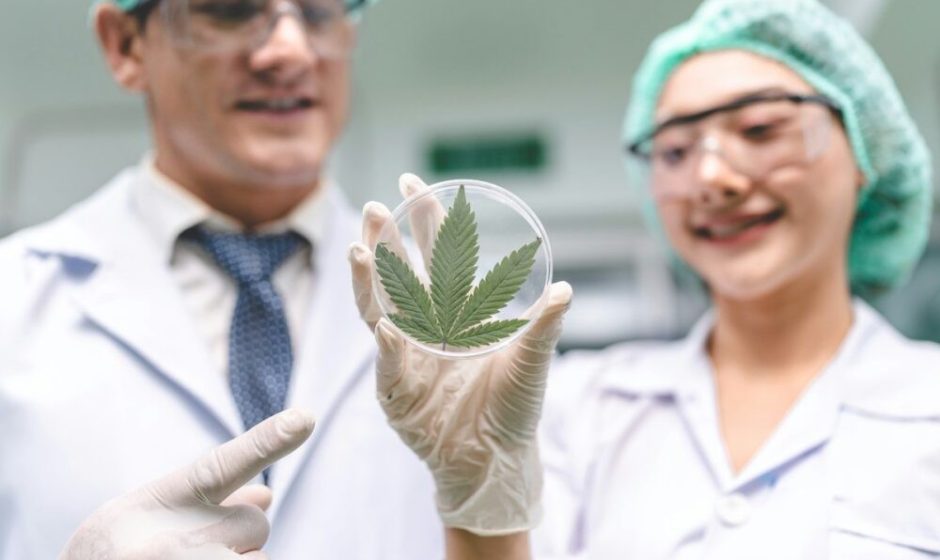

Medical cannabis nursing is a rapidly emerging area of clinical practice. As the majority of U.S. states have enacted medical marijuana programs, millions of patients are using cannabis – or asking their nurses about it – for a wide range of conditions. Nurses who complete continuing education for nurses in this area are better equipped to provide accurate, balanced, and non-judgmental medical marijuana patient education. Understanding the biology, evidence base, risks, and legal landscape of medical marijuana is no longer optional – it is a professional necessity.
The Endocannabinoid System and How Cannabis Works
To understand medical cannabis nursing practice, a foundational grasp of the endocannabinoid system is essential. Cannabis contains more than 100 active cannabinoids, of which tetrahydrocannabinol (THC) and cannabidiol (CBD) are the most clinically significant.
THC clinical effects include analgesia, anti-nausea activity, appetite stimulation, and muscle relaxation – along with the psychoactive effects that characterize recreational use. THC acts primarily on CB1 receptors in the central nervous system.
Cannabidiol (CBD) is non-psychoactive and has demonstrated anxiolytic, anti-inflammatory, and anticonvulsant properties. The FDA has approved one CBD-based medication – Epidiolex – for certain severe childhood epilepsy syndromes.
Both compounds act on the endocannabinoid system, a widespread signaling network regulating pain, mood, appetite, sleep, and immune function. Its pervasive presence throughout the body explains why cannabinoids produce such diverse therapeutic and adverse effects – and why medical cannabis nursing education must cover both.
Approved and Investigated Medical Uses
The strongest evidence for medical cannabis exists in several areas. Chronic and neuropathic pain is the most common reason patients seek medical marijuana, and multiple systematic reviews support meaningful efficacy. Chemotherapy-induced nausea and vomiting is another evidence-supported indication – the FDA has approved two THC-based medications (dronabinol and nabilone) specifically for this purpose. HIV/AIDS-related cachexia and appetite stimulation also carries regulatory approval.
Strong evidence supports cannabis for multiple sclerosis-related spasticity and pain. Emerging but less robust evidence exists for anxiety, PTSD, sleep disorders, and inflammatory conditions.
Nurses providing medical marijuana patient education must be honest about the gap between patient beliefs and scientific evidence. Many patients attribute broad benefits to cannabis that are not yet well-supported by research.
Cannabis Routes of Administration: Clinical Considerations
Cannabis routes of administration carry distinct pharmacokinetic profiles, onset times, and clinical risks – all relevant to medical cannabis nursing practice.
Inhalation (smoking or vaporization) produces rapid onset (minutes) with shorter duration. Smoking cannabis poses respiratory risks similar to tobacco smoke; vaporization is a safer inhalation alternative.
Oral formulations – oils, capsules, and edibles – have delayed onset (30 minutes to 2 hours) but longer duration. The delayed onset is a significant safety issue: patients who don’t feel immediate effects sometimes take additional doses, risking unintentional overconsumption.
Sublingual tinctures provide faster onset than oral ingestion with more controlled dosing than inhalation.
Topical preparations address localized pain and inflammation without systemic or psychoactive effects.
Cannabis Adverse Effects and Drug Interactions in Nursing Practice
Balanced medical marijuana patient education requires honest discussion of cannabis adverse effects nursing practice must address. Common side effects include dizziness, dry mouth, impaired concentration and memory, tachycardia, and anxiety or paranoia – particularly at higher THC doses. Psychotic reactions can occur in individuals with a personal or family history of psychosis, making cannabis contraindicated in this population.
Cannabis drug interactions are an important nursing consideration. Cannabis influences cytochrome P450 enzyme activity, potentially altering the metabolism of many medications. It potentiates CNS depressants including opioids, benzodiazepines, and alcohol. Warfarin dosing may be significantly affected.
Pregnant and breastfeeding women should avoid cannabis entirely – THC crosses the placenta and is found in breast milk, with evidence of adverse effects on fetal and infant neurodevelopment.
Marijuana Legal Status and Nursing Practice
The marijuana legal status in healthcare remains complex. Cannabis is a Schedule I substance under federal law even as most states have legalized it medically. Nurses working in states with medical marijuana programs should understand which conditions qualify for a medical card, how patients access products, and what documentation applies.
Nurses have a professional responsibility to provide non-judgmental, evidence-based information – documenting cannabis use as they would any other medication or supplement, screening for drug interactions, and supporting informed patient decision-making.
Completing nursing CEU medical marijuana courses and online CE for nurses in this area builds the knowledge base needed for these increasingly common clinical conversations.