


Hearing aids are essential tools for those who have hearing loss. A hearing aid audiologist is a trained healthcare professional who evaluates hearing ability, identifies hearing loss, and recommends appropriate hearing support solutions such as hearing aids or rehabilitation strategies. Early consultation helps identify hearing issues before they significantly affect communication, daily activities, and overall quality of life.
Many individuals delay hearing assessments because hearing loss often develops gradually. Early signs may appear as subtle changes in listening ability, communication challenges, or increased effort when following conversations. Recognising these indicators early allows timely hearing assessment and management.
This article explains common early signs that suggest it may be appropriate to visit a hearing aid audiologist and outlines why early hearing care is important.
What a Hearing Aid Audiologist Does
A hearing aid audiologist is a hearing healthcare professional who specialises in diagnosing hearing conditions and recommending hearing assistance technologies such as hearing aids. Their role involves assessing hearing ability, identifying causes of hearing difficulties, and providing long-term hearing care.
A typical hearing evaluation includes several assessments designed to measure how well a person hears different sounds, tones, and speech patterns. These tests help determine the type and severity of hearing loss.
The services typically provided by a hearing aid audiologist include:
- Comprehensive hearing assessments
- Hearing aid fitting and adjustment
- Hearing loss monitoring and follow-up care
- Guidance on hearing protection and hearing health
Professional evaluation ensures hearing concerns are assessed using standardised clinical methods rather than assumptions or self-diagnosis.
Difficulty Following Conversations in Noisy Environments
One of the earliest signs of hearing difficulty is struggling to follow conversations in environments with background noise. This occurs because hearing loss often affects the ability to distinguish speech from surrounding sounds.
Situations where this challenge commonly appears include social gatherings, restaurants, workplaces, or family conversations where multiple people are speaking. Individuals may notice that they can hear voices but cannot clearly understand the words being spoken.
A hearing aid audiologist can assess whether the difficulty is caused by early hearing loss or other hearing processing issues. Identifying the cause allows appropriate management strategies to be recommended.
Frequently Asking Others to Repeat Themselves
Repeatedly asking people to repeat what they said can indicate reduced clarity in hearing speech. Hearing loss often affects certain sound frequencies that are important for distinguishing consonants in speech.

As a result, words may sound muffled or incomplete. Individuals may understand part of a sentence but miss specific words that carry meaning.
Common patterns associated with this sign include:
- Asking people to repeat statements frequently
- Mishearing similar-sounding words
- Struggling to follow fast-paced conversations
- Relying on visual cues such as lip movement
An audiologist can identify whether these patterns relate to hearing sensitivity or speech recognition difficulties.
Increasing Volume on Devices
Regularly increasing the volume on televisions, phones, or other audio devices may indicate changes in hearing ability. People with early hearing loss often raise volume levels to compensate for sounds that are no longer easily audible.
Family members or colleagues sometimes notice this sign before the individual does. They may observe that the television or music volume is louder than typical listening levels.
A hearing assessment can measure hearing thresholds across different sound frequencies. This allows an audiologist to determine whether amplified listening is being used to compensate for hearing decline.
Feeling Fatigue After Listening for Long Periods
Listening fatigue occurs when the brain works harder to interpret sounds that are not clearly heard. Individuals with mild hearing loss often experience mental exhaustion after long conversations or meetings.
The increased effort required to process unclear speech can lead to reduced concentration and listening stamina. Over time, this may affect workplace performance, social participation, or communication confidence.
Signs of listening fatigue may include:
- Difficulty maintaining attention during conversations
- Feeling mentally tired after meetings or discussions
- Avoiding group conversations due to effort required
- Needing quiet breaks after social interactions
A hearing aid audiologist can determine whether listening fatigue is linked to hearing loss and suggest strategies that reduce listening strain.
Ringing or Buzzing in the Ears (Tinnitus)
Tinnitus refers to the perception of sound in the ears without an external source. It commonly presents as ringing, buzzing, hissing, or whistling sounds.
While tinnitus can occur independently, it is often associated with hearing loss. When hearing ability decreases, the auditory system may compensate by generating phantom sound signals.
The most common tinnitus characteristics include:
| Tinnitus Symptom | Description |
| Ringing | Continuous or intermittent high-pitched tone |
| Buzzing | Low humming or electrical sound |
| Hissing | Static-like background noise |
| Pulsing | Sound that follows heartbeat rhythm |
A hearing aid audiologist can assess whether tinnitus is related to hearing loss and provide guidance on management approaches.
Difficulty Hearing High-Pitched Sounds
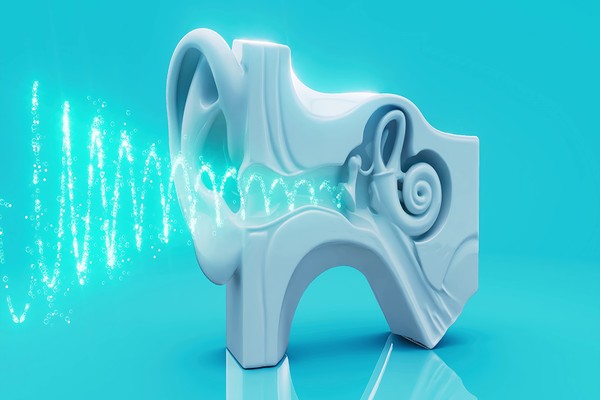
High-frequency hearing loss is one of the most common early forms of hearing decline. It affects the ability to hear high-pitched sounds such as certain speech consonants or environmental sounds.
Examples of sounds that may become harder to hear include:
- Children’s voices
- Doorbells or alarms
- Birds chirping
- Certain speech sounds such as “s”, “f”, or “th”
Because these sounds contribute to speech clarity, difficulty hearing them can make conversations harder to understand even when speech volume appears sufficient.
Audiologists can identify high-frequency hearing loss through audiometric testing and recommend suitable hearing assistance if necessary.
Avoiding Social Situations Due to Hearing Difficulties
Social withdrawal can occur when hearing challenges make conversations stressful or frustrating. Individuals may avoid gatherings because they struggle to follow discussions or feel uncomfortable asking people to repeat themselves.
This behaviour is not always immediately recognised as a hearing issue. People may attribute it to fatigue, lack of interest, or general discomfort in group settings.
A hearing aid audiologist can determine whether hearing difficulties contribute to these experiences and recommend solutions that support clearer communication.
Changes in Workplace Communication
Workplace communication often requires active listening during meetings, presentations, or phone conversations. Hearing changes may first appear in professional settings where clear communication is essential.
Some individuals notice that they miss parts of discussions or require written follow-ups to confirm information. This may occur even when colleagues appear to hear the conversation normally.
Early hearing assessment can help determine whether workplace communication challenges are related to hearing sensitivity or listening conditions.
Common Early Hearing Loss Indicators
The following table summarises several early signs that may indicate a need for hearing assessment.
| Early Indicator | Explanation |
| Difficulty hearing speech in noise | Speech becomes harder to distinguish from background sounds |
| Frequent requests for repetition | Words sound unclear or incomplete |
| Higher device volume | Audio amplification compensates for hearing changes |
| Listening fatigue | Increased mental effort required to understand speech |
| Tinnitus symptoms | Ringing or buzzing sounds in the ears |
| Difficulty hearing high frequencies | High-pitched sounds become less noticeable |
Recognising multiple signs together may suggest that hearing evaluation is beneficial.
Frequently Asked Questions (FAQs)

When should someone see a hearing aid audiologist?
A hearing aid audiologist should be consulted when noticeable changes in hearing ability affect communication or listening comfort. Common triggers include difficulty understanding conversations, increasing device volume, or experiencing tinnitus. Early evaluation helps determine whether hearing loss is present and whether hearing support is needed.
How is hearing loss diagnosed?
Hearing loss is diagnosed through a structured hearing evaluation that measures sound detection and speech recognition ability. Audiologists use specialised equipment to present tones and spoken words at different volumes and frequencies. The results are recorded on an audiogram, which shows hearing sensitivity across sound ranges.
Are hearing tests painful or invasive?
Hearing tests are non-invasive and generally comfortable. Most tests involve listening to sounds through headphones and responding when a tone or speech is heard. The process typically takes less than an hour and does not require recovery time.
Can early hearing loss be managed effectively?
Early hearing loss can often be managed with hearing aids, listening strategies, or hearing rehabilitation. Management approaches depend on the type and severity of hearing loss identified during evaluation. Early intervention helps maintain communication ability and reduces listening effort.
Does hearing loss always occur with ageing?
Age-related hearing decline is common, but hearing loss can occur at any age due to factors such as noise exposure, medical conditions, or ear disorders. Regular hearing assessments help detect hearing changes regardless of age.
Recognising Hearing Changes Early Supports Long-Term Hearing Health
Hearing changes often develop gradually and may initially appear as minor communication challenges or listening fatigue. Recognising early indicators such as difficulty hearing conversations, increasing audio volume, or experiencing tinnitus allows individuals to seek professional assessment before hearing difficulties progress further.
A hearing aid audiologist plays an important role in identifying hearing loss, explaining test results, and recommending appropriate hearing support. Early evaluation helps maintain communication ability, listening comfort, and participation in everyday activities.
Individuals experiencing hearing changes may consider contacting a hearing professional to arrange a hearing assessment and discuss suitable hearing care options.