Introduction
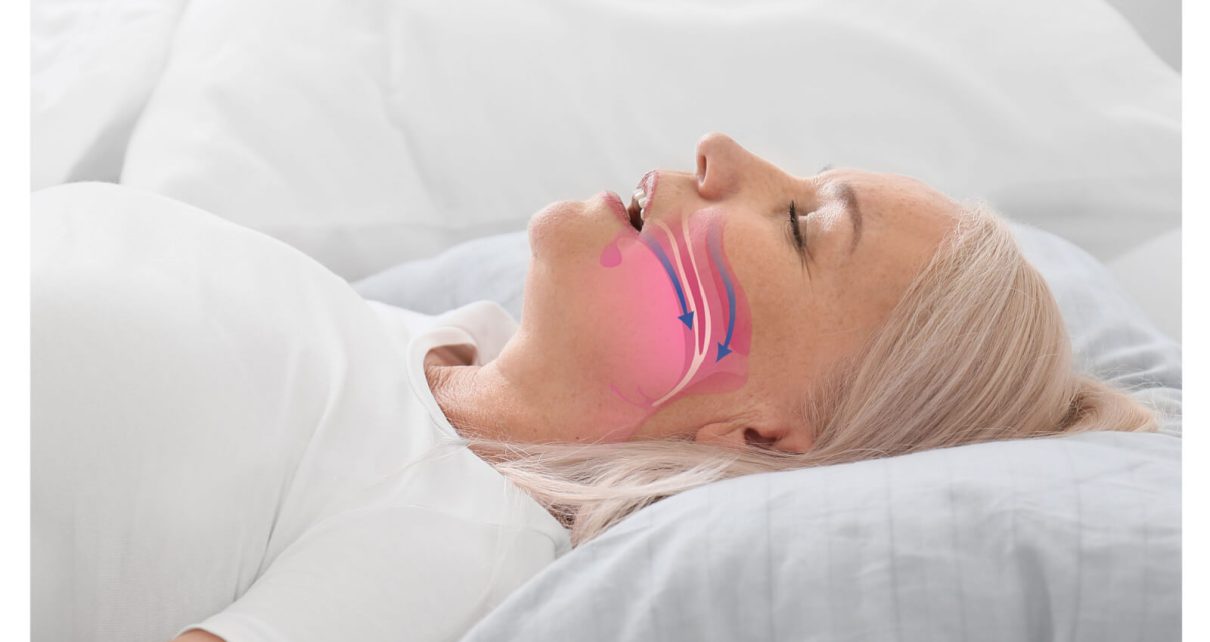
A common method for treating snoring is laser snoring treatment, which utilizes a state-of-the-art, harmless laser to strengthen the oral cavity tissue, as well as the base of the mouth, the uvula, and the soft palate, by producing heat that stimulates the synthesis of collagen to tighten the loose tissue blocking the airway. As a result, the airway is widened, which facilitates breathing, reduces snoring, and decreases the likelihood of sleep apnea. This treatment is painless, incredibly practical, and doesn’t involve an operation. Patients can go home right away following the therapy, which takes around thirty minutes to complete and doesn’t require them to spend the night in the medical facility.
Side effects of snoring
Family members, or spouses, who share a bed are impacted by snoring. Stress, strained relationships, and a host of health problems, such as the following, can result from snoring:
- Inability to focus and forgetfulness.
- Lack of sleep and feeling exhausted when you get up.
- Sleepiness during the day.
- Headaches in the morning.
- Increased chance of getting into an automobile accident.
- Depressive disorders.
- High blood pressure.
- Heart-related conditions.
- Typical signs of a stroke and cardiac arrest.
Individuals who are suitable for this treatment
- Those who snore excessively and regularly, and also those who wish to cure or quit snoring.
- Those with mild to moderate obstructive insomnia, according to sleep test data.
- According to a physician’s assessment, people who snore have little to considerable soft palate muscle loosening, which narrows their airway and causes obstruction.
Duration of this treatment
Each laser snoring therapy session lasts for about thirty minutes. For a total of about six weeks, the doctor will set up three appointments. The second appointment is two weeks after the first one, and the third one is four weeks after the second one. The effects of the therapy may linger for an entire year or more. As the body’s supply of collagen declines with aging, the surgery may occasionally need to be redone.
Additional procedures
A sleep test (polysomnography) can be used to determine the seriousness of problems and develop an individualized treatment strategy by looking for anomalies in different body activities during sleeping, such as snoring and obstructive insomnia or additional irregularities. When someone has been identified as having structural anomalies in the upper airway system, nose, throat tissues, uvula, neck radius, jaw, or face structure, diagnostic procedures like CT scans or an MRI scan are performed.
Side effects of this treatment
Laser treatment is safe and has no major negative effects. Following therapy, patients can resume their regular eating, drinking, and talking habits as directed by their physician. However, a small percentage of individuals may develop canker sores and scratchy or parched throats the next day after therapy. The symptoms will progressively get better and go away if you drink enough water. Abnormal sensations while speaking may occur under certain situations. These are brief signs that will eventually go away in a few days.