
How compassion, patience, and environment can transform fear into trust.
Dental anxiety in children is more common than many parents realize. It can appear as silence, resistance, tears, stomachaches before appointments, or complete refusal to enter the treatment room. These reactions are not signs of misbehavior. They are expressions of fear in a setting that feels unfamiliar and uncontrollable.
At Soft Breeze Children’s Dentistry, anxiety is treated as a clinical factor, not a personality flaw. Gentle dentistry is not a marketing phrase. It is a structured approach designed to protect a child’s emotional safety as carefully as their teeth.
“A calm child heals faster, cooperates more easily, and builds healthier habits for life.”
Anxiety Changes How Children Experience Care
When a child is anxious, their nervous system enters a heightened state. Sounds feel louder. Movements feel sudden. Even neutral sensations may be interpreted as threats. In this state, learning and cooperation become difficult, sometimes impossible.
Traditional fast-paced clinical environments can unintentionally intensify this reaction. Gentle dentistry slows the process down. It allows the child to regain a sense of control before treatment begins.
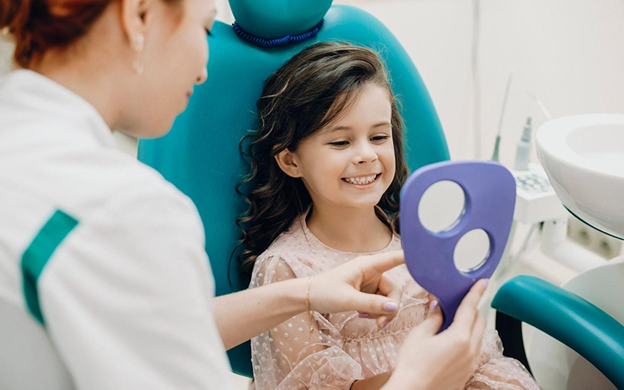
At Soft Breeze, such measures may include gradual introductions to instruments, explaining steps in simple language, allowing breaks, or letting the child observe before participating. These small adjustments dramatically change how a child processes the experience.
Emotional Safety Supports Clinical Success
A relaxed child is easier to examine and treat, but the benefit goes deeper than efficiency. When fear is reduced, muscle tension decreases, breathing stabilizes, and the child becomes more responsive to guidance.
This directly improves clinical outcomes. Cleanings are more thorough. X-rays are easier to complete. Procedures require fewer interruptions. Healing is smoother because stress hormones are lower.
Gentle dentistry is not slower in the long term. It is more sustainable.
Preventing Trauma Prevents Avoidance
Children who feel forced or overwhelmed during dental care may comply in the moment but develop avoidance patterns afterward. They may resist future visits or carry fear into adolescence and adulthood.
Soft Breeze prioritizes consent-based interaction, even with young patients. A child who feels respected is less likely to feel powerless. That sense of agency protects their willingness to seek care later in life.
Preventing emotional trauma is a form of preventive medicine.
The Environment Matters as Much as the procedure
Lighting, sounds, scents, colors, and staff demeanor all contribute to how safe a child feels. Pediatric-focused spaces reduce sensory overload and signal that the environment is designed for them, not adapted from adult care.
Soft Breeze creates a setting that feels welcoming rather than clinical. This reduces anticipatory anxiety before treatment even begins.
Parents as Emotional Anchors
Children often learn from their caregivers. When parents feel rushed or worried, children absorb that tension.
Soft Breeze encourages parents to participate calmly, speak positively about visits, and avoid language that implies pain or danger. This collaboration between family and provider reinforces security.
Conclusion
Gentle dentistry is not about lowering standards. It is about raising them.
By treating emotional wellbeing as essential to clinical success, children receive care that protects both their teeth and their confidence.
Families seeking anxiety-aware pediatric dental care are encouraged to visit Soft Breeze Children’s Dentistry, where patience, compassion, and safety guide every appointment.