
Throat cancer is one of the most significant head and neck cancers, accounting for thousands of new cases each year worldwide. The disease often progresses silently, highlighting the need for early detection. Timely diagnosis and the right treatment plan can help preserve vital functions such as speech, breathing and swallowing while improving overall quality of life. In this article, we’ll explore everything you need to know about throat cancer, including its symptoms, types and available treatment options. Whether you are seeking throat cancer treatment for yourself or a loved one, this 101 guide offers a clear starting point for informed decision-making.
What is Throat Cancer?
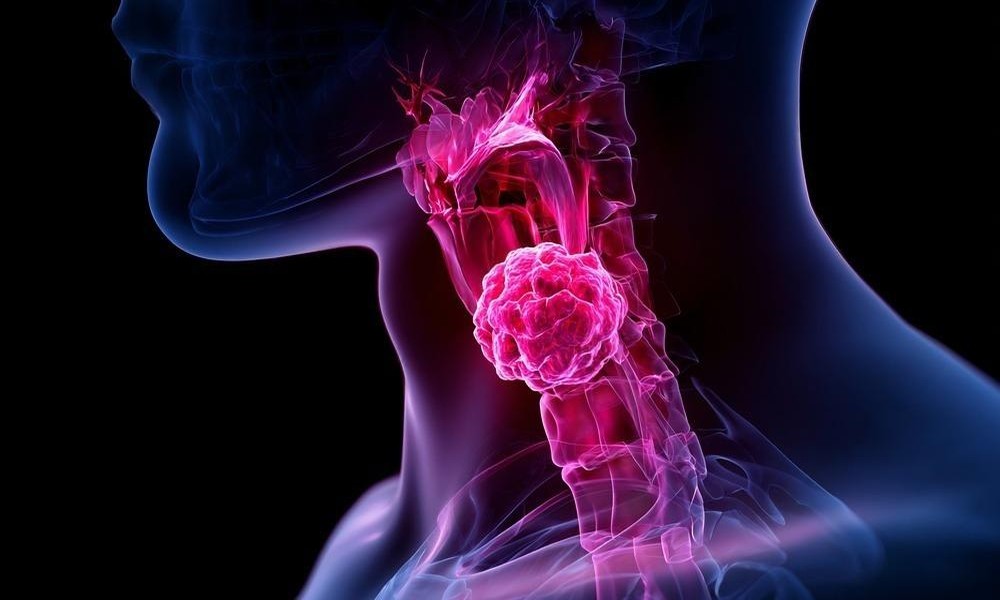
Throat cancer refers to a group of cancers that develop in the tissues of the throat, a muscular tube that runs from the nose to the windpipe. It begins when abnormal cells in the throat grow uncontrollably and form a tumour. These changes often start in the thin, moist lining inside the throat and can gradually affect nearby structures if not detected early.
Throat cancer is a broad term often used to describe cancers that develop in the larynx, the pharynx, or the tonsils, as these areas share similar risk factors, symptoms, and treatment approaches. However, the exact location of the tumour can influence how the disease presents and the type of care required.
Types of Throat Cancer
Throat cancer can develop in different parts of the throat, and each type has its own characteristics.
Pharyngeal Cancers
These cancers develop in the pharynx, the hollow tube that runs behind the nose and mouth.
- Nasopharyngeal cancer: Begins in the upper part of the throat behind the nose.
- Oropharyngeal cancer: Occurs in the middle part of the throat, which includes the base of the tongue and tonsils.
- Hypopharyngeal cancer: Starts in the lower part of the throat near the entrance to the windpipe.
Laryngeal Cancer
This type starts in the larynx or voice box. It can affect vocal cord movement and may lead to persistent hoarseness or changes in the voice.
Tonsil Cancer
Tonsil cancer forms in the tissues of the tonsils, which are part of the immune system and are located at the back of the throat. It is often linked to infections such as HPV.
The location of the tumour influences symptoms, how early the cancer is detected, and the treatment options available. For example, a tumour on the vocal cords may cause early voice changes, while cancers deeper in the throat may remain unnoticed until they reach advanced stages.
Common Symptoms of Throat Cancer
Throat cancer can cause a range of symptoms that vary depending on the location and stage of the disease. Some signs appear early, while others develop as the condition progresses.
Early Symptoms
- Persistent sore throat
- Hoarseness or changes in the voice
- Difficulty swallowing
- A sensation of something stuck in the throat
- Swollen lymph nodes in the neck
Progressive or Advanced Symptoms
- Unexplained weight loss
- Ear pain
- Persistent cough
- Difficulty breathing
- Noticeable lumps or growths in the neck
- Coughing up blood in rare cases
These symptoms can be caused by other conditions as well, but persistent or worsening signs may indicate an underlying issue that requires medical attention. If you or a loved one is experiencing any early or progressive symptoms, consult an experienced specialist promptly to ensure timely throat cancer evaluation and treatment.
Key Causes and Risk Factors
Throat cancer can develop due to lifestyle choices, infections, and environmental exposures. Major risk factors include:
- Tobacco Use: Smoking or using smokeless tobacco increases the risk of throat and mouth cancers.
- Alcohol Consumption: Heavy alcohol use damages throat cells, with combined tobacco and alcohol use further increasing risk.
- HPV Infection: Human papillomavirus (especially HPV-16) is linked to oropharyngeal cancers, often affecting younger individuals.
- Genetic Factors: A family history of head and neck cancers can increase susceptibility.
- Chronic Acid Reflux: Long-term irritation from GERD may contribute to cancer development.
- Occupational and Environmental Exposures: Prolonged contact with chemicals, asbestos, smoke, or poor air quality can raise the risk.
How Throat Cancer is Diagnosed
Diagnosing throat cancer involves a series of examinations and tests that help doctors understand the location, extent, and nature of the tumour. Early and accurate diagnosis is essential for planning the most effective treatment.
Medical History and Physical Examination
The doctor begins by reviewing symptoms, lifestyle habits, and medical history. A detailed examination of the throat, neck, and mouth is carried out to check for lumps, swelling, or abnormalities.
Endoscopy
An endoscopy allows the doctor to look inside the throat using a thin, flexible tube with a light and camera. This helps identify suspicious areas that may require further evaluation.
Imaging Tests
Imaging plays a key role in assessing the size and spread of the tumour. Common tests include:
- CT scans
- MRI scans
- PET-CT scans
These images provide detailed information about the tumour’s location and help determine whether it has spread to nearby tissues or lymph nodes.
Biopsy
A biopsy is essential to confirm the presence of cancer cells. During this procedure, a small tissue sample is taken from the suspected area and examined under a microscope. The biopsy also helps identify the type of throat cancer.
HPV Testing
For certain throat cancers, particularly those in the oropharynx, testing for HPV can provide additional information that may influence treatment planning and expected outcomes.
Treatment Options for Throat Cancer
Throat cancer treatment depends on several factors, including the stage of the disease, the exact location of the tumour, and the overall health of the patient. Doctors may use a single treatment method or a combination of approaches to achieve the best possible outcome.
Radiation Therapy
Radiation therapy uses high-energy beams to target and destroy cancer cells. It is often used in early-stage throat cancer and can also be combined with chemotherapy for more advanced cases. Radiation may help preserve important functions such as speech and swallowing.
Chemotherapy
Chemotherapy uses medications that travel through the bloodstream to destroy cancer cells. It is commonly used along with radiation therapy or before surgery to shrink the tumour. Chemotherapy may also be used when the cancer has spread beyond the throat.
Surgery
Surgical treatment involves removing the tumour and nearby affected tissues. Depending on the location, surgery may include removal of part of the throat, the vocal cords, or nearby lymph nodes. Minimally invasive techniques, such as transoral laser or robotic surgery, can help preserve voice and swallowing function when suitable.
Targeted Therapy
Targeted therapy uses medicines that focus on specific proteins or pathways that support cancer growth. These treatments are helpful for patients whose cancers do not respond well to traditional chemotherapy.
Immunotherapy
Immunotherapy helps the body’s immune system recognise and attack cancer cells. It is often used for advanced or recurrent throat cancers and may be recommended when other treatments are not effective.
Life During Throat Cancer Treatment
Throat cancer treatment can affect daily routines, eating patterns, speech, and overall well-being. Understanding common day-to-day changes helps individuals and families prepare for the journey.
- Managing Side Effects: Fatigue, sore throat, dry mouth, altered taste, and skin irritation may appear during treatment. Supportive medications and care measures help manage discomfort and maintain progress.
- Nutrition and Swallowing: Swallowing may become difficult. Softer foods, nutrient-dense meals, and good hydration are generally advised. In advanced cases, temporary feeding support may be recommended.
- Voice and Speech Changes: Voice quality may change when the larynx or vocal cords are treated. Speech and language therapists assist in improving communication and adapting to these changes.
- Emotional and Psychological Support: Anxiety or emotional strain is common. Counsellors, support groups, and mental health professionals provide guidance and help maintain emotional balance.
Recovery, Rehabilitation, and Follow-Up Care
Recovery continues beyond the end of treatment and involves healing, rehabilitation, and regular monitoring to support long-term health.
- Post-Treatment Monitoring: Follow-up appointments help assess healing, review treatment response, and detect concerns early. These visits may include examinations, imaging, and discussions about new symptoms.
- Speech and Swallowing Rehabilitation: Some individuals notice changes in voice or swallowing after treatment. Targeted therapy sessions help restore comfort, communication abilities, and daily functioning.
- Preventing Recurrence: Adopting healthy habits, including avoiding tobacco, moderating alcohol use, maintaining good nutrition, and practising oral hygiene, supports long-term recovery and reduces recurrence risk.
- Lifestyle Recommendations: Light physical activity, stress management, hydration, and balanced meals can aid recovery. Support from family, caregivers, and community groups strengthens emotional and physical well-being.
Conclusion
Throat cancer can be challenging, but early detection and timely treatment greatly improve outcomes. Understanding the symptoms, risk factors, diagnostic steps, and treatment options helps guide informed decisions and supports a smoother recovery. Advances in surgery, therapy, and supportive rehabilitation offer comprehensive care that preserves vital functions and quality of life. Choosing a best cancer hospital in India with experienced specialists ensures access to timely guidance, ongoing monitoring, and personalised throat cancer treatment.
Frequently Asked Questions
What are the early signs of throat cancer?
Early signs can include a persistent sore throat, changes in voice or hoarseness, difficulty swallowing, and a sensation of something stuck in the throat. Swollen lymph nodes in the neck may also appear.
What are the main risk factors for developing throat cancer?
Common risk factors include tobacco use, excessive alcohol consumption, HPV infection, chronic acid reflux, exposure to certain chemicals, and a family history of head and neck cancers.
How is throat cancer diagnosed?
Diagnosis typically involves a combination of physical examination, endoscopy, imaging tests such as CT or MRI scans, biopsy of suspicious tissue, and sometimes HPV testing.
What treatment options are available for throat cancer?
Treatment for throat cancer depends on the location and stage, and may include surgery, radiation therapy, chemotherapy, targeted therapy, immunotherapy, or a combination of these approaches.
What does recovery involve after throat cancer treatment?
Recovery may include follow-up monitoring, speech and swallowing rehabilitation, adopting healthy lifestyle habits to prevent recurrence, and emotional or psychological support to maintain overall well-being.