Warts known in Chinese as “疣” are benign skin growths caused by an infection with a virus called Human papillomavirus (HPV).
When HPV infects the surface of the skin, it can stimulate abnormal growth of the outermost skin layer (epidermis), resulting in a rough, raised bump or lesion.
Warts can appear anywhere on the body, and are common in people of all ages children especially tend to get them, though adults are susceptible too.
Because HPV spreads through skin‑to‑skin contact or via contaminated surfaces (for example in swimming pools, public showers, gym equipment, shared towels), warts are considered highly contagious.
Interestingly, many warts cause no pain or discomfort. They often go unnoticed or are ignored until they start to grow, spread, or affect appearance.
Why Early Wart Removal (“脫疣”) Matters
Although warts are typically benign and not dangerous, there are several good reasons why people opt for wart removal particularly under the care of a qualified doctor:
- To avoid spreading the virus: Because HPV is contagious, a wart can spread to other parts of your body, or to other people (family members, close contacts), especially in shared‑space settings. Retens notes that early detection and removal reduces risk of cross-infection.
- Cosmetic / self‑confidence reasons: Warts especially on visible areas such as face, hands, or neck can be unsightly. Flat warts on the face or neck, common warts on hands or around nails, or plantar warts on feet can all affect comfort and appearance.
- To prevent recurrence and complications: While some warts may go away on their own over time, others persist, spread, or become a nuisance painful on soles of feet, or growing in clusters. Professional removal often reduces risk of recurrence and minimizes scarring.
Thus, “脫疣” is not only about removing the visible wart it’s about managing a viral skin condition carefully and responsibly.
Types of Warts (疣): Variety in Appearance and Location
Warts are not all the same. Depending on their appearance and where they show up, they’re categorized differently.
According to the Retens source:
- Flat warts (扁平疣): Usually slightly raised, often light-coloured (flesh‑coloured or pale), common on face, neck, arms, legs. Because of their subtle appearance, they can spread silently sometimes dozens or hundreds in number.
- Common warts (尋常疣): Rough, raised bumps, often darker in colour (brownish), frequently appearing on hands, fingers, around nails but can also show on face.
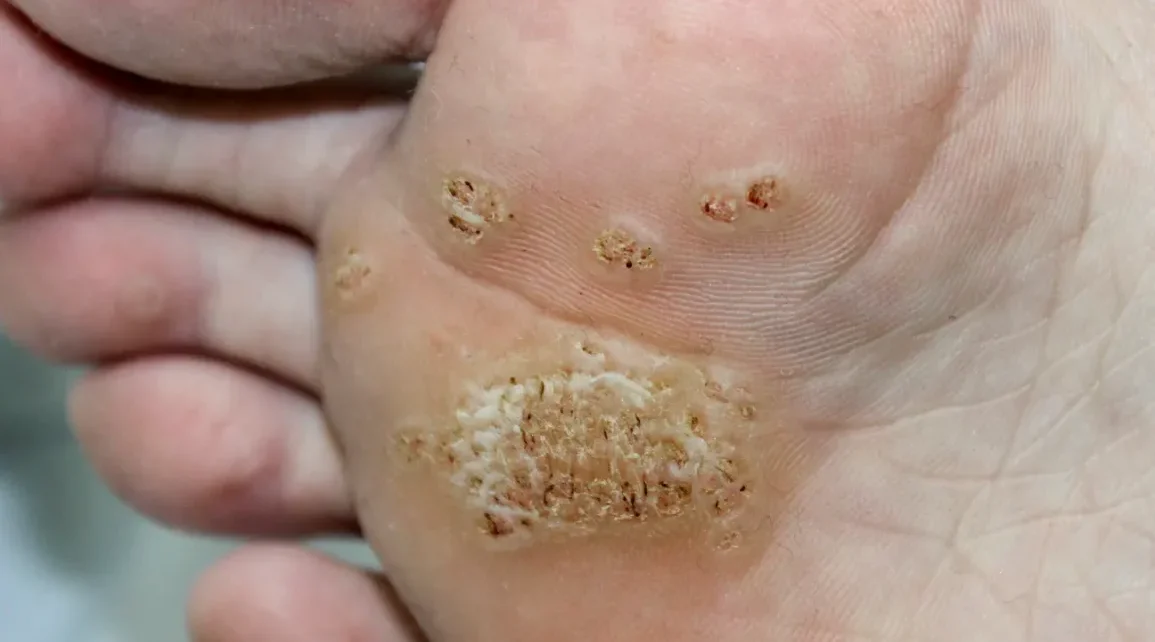
- Plantar warts (足底疣): Thickened patches or lumps on the soles of feet. They may look like calluses or hard corns. Because they lie on weight‑bearing surfaces, they may cause discomfort or pain when walking or standing.
- Genital warts (性器疣): Occur in genital or anal area. These are usually transmitted via sexual contact. Their appearance is often described as small, soft, “cauliflower-like” bumps.
Because different types of warts have different risks, appearances, and treatments, it’s important to let a qualified clinician not self-diagnose identify the kind before deciding on removal.
How Wart Removal (“脫疣”) Works – Common Medical Treatments
When it comes to removing warts, a range of medical treatments are available. Which one is used depends on the wart’s type, size, location, and patient’s skin.
According to dermatology guidelines and the Retens clinic’s offering, here are the main methods:
1. Cryotherapy (Freezing)
This uses liquid nitrogen to freeze the wart, causing it to blister and eventually fall off. Because the dead tissue peels away, this process typically requires several sessions, spaced weeks apart. Side‑effects may include blistering, temporary darker or lighter skin, mild pain or discomfort.
2. Chemical Treatments (Topical Acids)
Substances like Salicylic acid are applied to the wart to dissolve layers of wart tissue gradually. These treatments are more suitable for common or plantar warts, and often require persistent application over weeks. Side‑effects: skin irritation, soreness, peeling of surrounding skin.
3. Laser Treatment (e.g. CO₂ Laser)
As described by the “脫疣” service of the clinic you pointed to (Retens Medical Beauty), one of the most effective and widely used methods is CO₂ laser removal. In this method, carefully targeted laser energy destroys wart tissue often with minimal damage to surrounding skin and a relatively quick recovery.
Retens notes that CO₂ laser is often preferred because it’s precise, minimally invasive, suitable for various types and sizes of warts, and usually leaves a small wound that heals in about 7–10 days, often without scarring.
4. Electrocautery / Electrosurgery (Burning)
Another method is to burn the wart tissue using an electrical probe (electrosurgery or cauterization), sometimes combined with scraping (curettage). This is a common option when other treatments are not suitable.
5. Surgical Excision / Curettage
For stubborn or large warts, a doctor may surgically remove them scraping or cutting them off using a curette or scalpel. This method might be combined with other treatments.
Why Seek a Doctor (“脫疣醫生”) – Not a Beauty Salon or DIY
The clinic page emphasizes that 脫疣醫生 should ideally be performed by a qualified doctor, not a beauty therapist or salon worker.
Here’s why:
- Accurate diagnosis: Not every skin bump is a wart. Some may look similar (e.g. benign moles, skin tags, or even more serious skin conditions). A trained doctor can distinguish wart from other skin issues.
- Appropriate treatment & depth control: A doctor knows how deep the wart tissue needs to be removed (especially for plantar or large warts), avoiding damage to healthy skin, minimizing scarring, and reducing risk of recurrence.
- Hygiene & sterilization standards: Because warts are contagious, using properly sterilized tools and environments is critical. Medical‑grade clinics maintain high hygiene, reducing risk of re‑infection or cross‑
- Post‑treatment care & follow‑up: Doctors can provide follow‑up advice, prescribe aftercare ointments if needed, and monitor for healing something unlikely from a basic beauty salon.
Hence, for safe and reliable wart removal, choosing a qualified clinic with experienced medical staff is strongly recommended.
The “脫疣” Experience at Retens: What to Expect
Based on the landing page, here’s how the wart‑removal treatment at Retens typically works:
- Initial assessment: A licensed doctor evaluates your skin, determines the type of wart, size, depth, location then recommends the most suitable treatment (cryotherapy, laser, cauterization, etc.).
- Use of CO₂ Laser: Retens primarily offers CO₂ (carbon‑dioxide) laser treatment. This method is considered highly effective across different wart types and sizes, allowing precise removal with minimal damage to surrounding skin.
- Hygiene & safety: The clinic emphasizes clean, sterile treatment environment and disposable/sterilized tools to prevent re‑infection or cross‑
- Post‑treatment healing: After laser removal, skin typically needs about 7–10 days to heal. With proper care, treated area often recovers without visible scarring.
- Transparent pricing & clarity: The clinic claims that its pricing is reasonable and transparent. Their charges reportedly include use of anesthetic cream (if needed), post‑treatment ointments, and necessary follow-up so clients know upfront what to expect.
Retens also emphasizes that choosing a doctor‑led procedure rather than a salon or beauty‑therapist ensures better safety, efficacy, and insurance credibility.
What to Keep in Mind After Wart Removal – Will Warts Come Back?
Wart removal does not guarantee that the virus is completely eliminated HPV may still remain on other parts of the skin, or you may get re-exposed later.
Therefore:
- Good hygiene and precautions matter: Avoid sharing towels, footwear, or personal items; avoid walking barefoot in public showers, pools, or locker rooms; disinfect surfaces in shared spaces. Retens highlights that such measures help prevent re‑infection or infecting others.
- Boost immunity and skin health: A strong immune system helps your body fight off HPV more effectively. While boosting immunity alone isn’t a “treatment,” it can reduce the risk of new wart formation.
- Follow post‑treatment care: Keep the treated area clean and avoid picking at scabs or scratching. Follow the aftercare instructions from your doctor or clinic. This helps prevent scarring, infection, or delayed healing.
Conclusion: Why “脫疣 + 專業醫生 (Doctor‑led Wart Removal)” Is a Smart Choice
Warts might sound trivial, but because they are caused by a contagious virus and can spread to other parts of your body or to other people ignoring them could lead to more growths, spreading, and recurrence.
Choosing to remove warts under medical supervision especially with effective and minimally invasive methods like CO₂ laser offers several advantages: accurate diagnosis, precise treatment, hygiene and safety, minimal scarring, and professional aftercare.
The “脫疣” service at Retens demonstrates how modern medical‑beauty clinics can treat warts efficiently and safely. For those dealing with bothersome warts — whether on hands, face, feet or elsewhere consulting a doctor and opting for a professional wart‑removal plan remains the most effective, sensible approach.