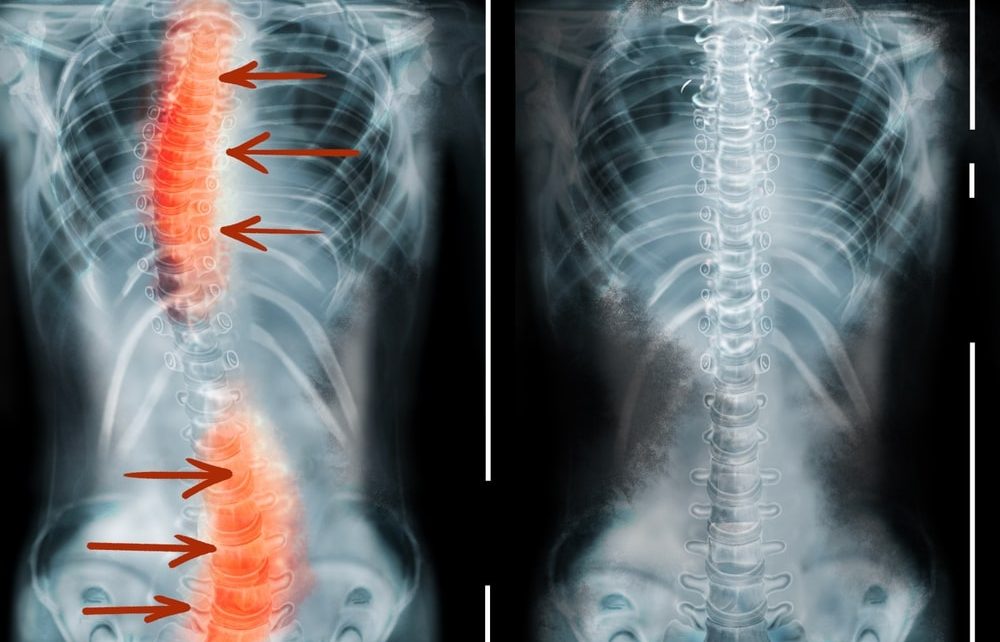
Scoliosis, a condition characterized by an abnormal lateral curvature of the spine, is primarily understood through the lens of orthopedics. For many, the focus is on spinal angles, bracing, or surgical intervention. However, for those living with the condition, the impact is often as visual as it is structural. The skeletal shifts associated with scoliosis frequently result in noticeable physical asymmetries: one shoulder sitting higher than the other, a prominent shoulder blade, an uneven waistline, or a “rib hump.”
In a city like Dubai, where medical innovation is paired with a high standard for aesthetic well-being, a new restorative pathway has emerged. Patients are increasingly looking toward a specialized aesthetics clinic Dubai to complement their orthopedic care. By utilizing non-surgical aesthetic interventions, clinicians can address the soft-tissue imbalances caused by scoliosis, helping patients achieve a more symmetrical and confident silhouette.
Understanding the Visual Impact of Scoliosis
Scoliosis does not just affect the “internal” spine; it reshapes the entire torso. As the vertebrae rotate and curve, they take the attached musculature and overlying skin with them.
Common Aesthetic Concerns
-
Shoulder Asymmetry: One acromion (the top of the shoulder) may appear significantly higher, making clothing fit poorly and creating a lopsided appearance.
-
The “Rib Hump”: Spinal rotation can push the ribs outward on one side of the back, creating a protrusion that is visible even through loose clothing.
-
Uneven Flanks and Waistline: The curvature often causes one side of the waist to “indent” more than the other, creating the illusion of uneven hip height or a “fuller” side of the torso.
-
Muscle Atrophy and Hypertrophy: To compensate for the curve, certain muscle groups (like the trapezius or erector spinae) may become overdeveloped on one side and weakened on the other, further exaggerating the lack of symmetry.
While orthopedic treatments focus on stopping the curve, they do not always address these soft-tissue discrepancies. This is where the specialized tools of an aesthetics clinic Dubai become invaluable.
Aesthetic Interventions for Structural Asymmetry
Modern aesthetic medicine offers several non-invasive and minimally invasive techniques to “balance” the appearance of a body affected by scoliosis.
1. Dermal Fillers and Bio-Stimulators for Volume Correction
One of the most effective ways to address depressions or indentations caused by spinal curvature is the strategic use of high-viscosity dermal fillers or bio-stimulating injectables.
-
Filling the “Hollows”: If scoliosis has caused a deep indentation on one side of the waist or back, a clinician at an aesthetics clinic Dubai can inject specialized body fillers to “plump” the area, creating a smoother, more symmetrical waistline.
-
Correcting Hip Dips: Scoliosis often makes one hip appear flatter or more recessed. Bio-stimulators (which encourage the body’s own collagen production) can be used to add volume and contour to the recessed hip, aligning it visually with the opposite side.
2. Neuromodulators for Muscle Balancing
Asymmetry in scoliosis is often exacerbated by muscle spasms or overdevelopment (hypertrophy) on one side of the back.
-
Relaxing the “High” Shoulder: If a hyperactive trapezius muscle is pulling one shoulder upward, targeted injections of neuromodulators (like Botox) can help relax that specific muscle. This reduces its bulk and allows the shoulder to settle into a lower, more natural position.
-
Contouring the Back: By selectively relaxing muscles that are protruding due to spinal rotation, an aesthetic doctor can soften the appearance of a “rib hump” or a prominent muscular ridge.
3. Advanced Body Contouring and Fat Freezing
Sometimes, scoliosis makes fat deposits appear uneven. One side of the waist may seem to have more “fullness” simply because the skin and tissue are compressed by the spinal curve.
-
Cryolipolysis (Fat Freezing): An aesthetics clinic Dubai can use cooling technology to target and reduce fat cells on the “fuller” side of the torso. This doesn’t fix the spine, but it helps create a more balanced visual silhouette.
-
Radiofrequency (RF) Skin Tightening: For patients who have undergone scoliosis surgery or significant bracing, skin laxity can be an issue. RF treatments help tighten the skin over the new contours of the back, improving the overall aesthetic result.
Post-Surgical Scar Management
For many patients, the journey with scoliosis involves a posterior spinal fusion—a major surgery that leaves a long, vertical scar down the center of the back. While these scars are “badges of strength,” many patients seek to minimize their appearance.
A premier aesthetics clinic Dubai offers advanced scar revision therapies:
-
Laser Resurfacing (CO2 or Fractional Lasers): These lasers break down old scar tissue and stimulate the growth of new, smoother skin, significantly fading the redness and texture of surgical scars.
-
Microneedling with PRP: This combination uses the patient’s own growth factors to accelerate healing and improve the elasticity of the skin around the surgical site.
The Psychological Shift: From “Correction” to “Confidence”
The integration of aesthetic medicine into a scoliosis care plan marks a shift toward holistic patient well-being. Scoliosis often manifests during adolescence, a critical time for the development of self-esteem. The ability to address visible imbalances through a trusted aesthetics clinic Dubai can have a profound psychological impact.
Important Note: Aesthetic treatments for scoliosis are not a replacement for orthopedic care. They are “finishing” treatments designed to improve the visual harmony of the body after or alongside traditional medical management.
When a patient sees a more symmetrical reflection in the mirror, it often improves their posture and willingness to engage in physical activities, creating a positive feedback loop for their spinal health.
Why Dubai is a Leader in Restorative Aesthetics
Dubai’s medical landscape is uniquely positioned to handle these complex cases. The best hospitals in the UAE often feature integrated departments where orthopedists can consult with aesthetic specialists.
When choosing an aesthetics clinic Dubai for scoliosis-related concerns, patients should look for:
-
Medical Supervision: Ensure the clinic is led by licensed doctors who understand the underlying anatomy of the spine.
-
Customized Protocols: No two scoliosis curves are the same; treatments must be meticulously mapped to the individual’s specific skeletal rotation.
-
Advanced Technology: Access to the latest FDA-approved fillers and laser platforms ensures safety and longevity of results.
In conclusion, while scoliosis remains a structural challenge, its visual impact no longer has to be a permanent source of distress. Through the innovative application of fillers, neuromodulators, and skin therapies, a specialized aesthetics clinic Dubai can provide “The Symmetry Solution,” helping patients align their physical appearance with their inner strength and confidence.