The CBD market in the UK has grown rapidly over the past decade, moving from a niche interest to a mainstream supplement used by a wide range of consumers.
But as we move through 2026, the conversation is no longer just about products – it’s about control.
More specifically, it’s about how much CBD people are being advised to use.
This shift is having a noticeable impact on how both consumers and companies approach CBD, and it is one of the key reasons why microdosing is becoming more widely discussed.
From High Strength to Low Guidance
In the earlier days of CBD’s rise in popularity, there was very little formal guidance around dosage.
Products were often marketed based on strength, with higher milligram options positioned as more effective or desirable. Many users experimented freely, finding their own routines through trial and error.
At that time, suggested intake levels were considerably higher than what is now being discussed.
Fast forward to today, and the situation has changed.
The Food Standards Agency (FSA) has taken a more structured role in regulating CBD as a Novel Food, and with that has come increasing focus on daily intake recommendations.
More recent discussions suggest that acceptable daily amounts could be significantly lower than previously indicated.
Why Are Limits Being Reduced?
The reasoning behind these changes is generally positioned around safety and precaution.
As CBD is relatively new in terms of large-scale commercial use, regulators are taking a more cautious approach while long-term data continues to develop.
From a regulatory perspective, this makes sense.
However, it has also raised questions within the industry – particularly when compared to other widely consumed products that are not subject to the same level of scrutiny at the point of sale.
This contrast is part of what is driving ongoing debate.
A Broader View: CBD vs Everyday Consumption
CBD is derived from the cannabis plant, which has a long and well-documented history of use spanning thousands of years across different cultures.
Despite this, modern regulation is focusing heavily on dosage limits and product compliance.
At the same time, many everyday food products – including those high in salt, sugar, or processed ingredients – are widely available despite well-known long-term health considerations when consumed in excess.
This comparison has led some to question whether CBD is being treated more cautiously than other substances that form a regular part of modern diets.
While the intention behind regulation is clearly to protect consumers, the balance between precaution and proportionality remains a topic of discussion.
The Economic Impact of Rapid Growth
Another factor that cannot be ignored is the speed at which the CBD market expanded.
In a relatively short period of time, CBD became one of the fastest-growing supplement categories in the UK. Consumer demand increased rapidly, and many people began incorporating CBD into their daily routines.
This level of adoption may not have been fully anticipated.
As the market grew, it became clear that CBD was not just a passing trend, but something with long-term commercial potential.
Some observers believe that this rapid growth has played a role in the tightening of regulations, as authorities work to bring structure and oversight to a fast-moving industry.
Could the Market Become More Restricted?
With increasing regulation comes an obvious question:
Where does this lead next?
CBD is currently legal in the UK as a food supplement, provided it meets all relevant requirements, including Novel Food compliance.
However, as standards become more defined and enforcement becomes stricter, some within the industry are beginning to consider whether access could become more limited in the future.
This does not necessarily mean CBD will disappear from shelves.
But it could mean:
- Tighter product requirements
- Lower recommended intake levels
- Greater control over how products are marketed and sold
In some discussions, there is even speculation about whether certain forms of CBD could eventually move closer to controlled or prescription-led frameworks.
While this remains uncertain, it reflects the direction of travel within the industry.
Why Microdosing Is Gaining Attention
Against this backdrop, microdosing is starting to make more sense.
Rather than focusing on higher-strength products, many users are now exploring smaller, more consistent amounts.
This approach aligns naturally with:
- Lower intake guidance
- More cautious usage patterns
- Greater awareness of dosage
Instead of asking “how strong should I go?”, the question becomes:
How little do I actually need?
A More Measured Approach to CBD
Microdosing encourages a more controlled and intentional way of using CBD.
By taking smaller amounts throughout the day, users can:
- Monitor their intake more closely
- Adjust gradually
- Maintain consistency
This approach also fits well within the current regulatory environment, where conservative usage is increasingly encouraged.
Choosing the Right Product for Microdosing
For those considering this approach, flexibility is essential.
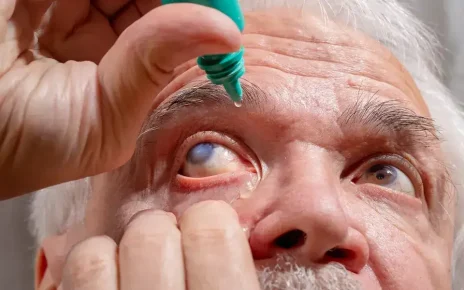
CBD oils remain one of the most popular options because they allow for precise control over dosage.
Being able to adjust intake drop by drop makes it easier to experiment with smaller amounts and find a routine that works.
A high-quality CBD oil UK product can provide the level of control needed to support this more measured approach.
Final Thoughts
The CBD industry in the UK is entering a new phase.
What began as a fast-growing, largely unstructured market is now becoming more defined, more regulated, and more closely monitored.
This shift is influencing not only how products are made and sold, but also how they are used.
Microdosing is one of the clearest reflections of this change.
As guidance evolves and awareness increases, the focus is moving away from maximum strength and toward smarter, more controlled use.
Whether this is driven purely by safety, or part of a wider shift in how the industry is managed, remains open to interpretation.
But one thing is certain:
The way people use CBD in 2026 is not the same as it was just a few years ago.
And that change is only just beginning.